WATER SOFTENER INSTALLATION
Georgetown, TX
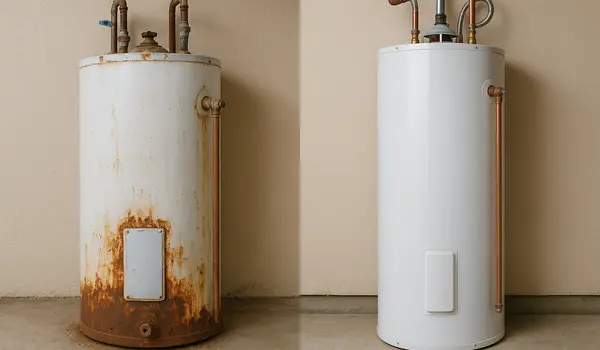
Searching for Water Softener Installation often begins after you notice crusty white scale on faucet aerators, cloudy glasses, stiff laundry, or soap that will not rinse cleanly. The Georgetown Plumber can assess the mineral content in your water and the condition of the plumbing feeding your fixtures. Low pressure may also appear when scale narrows an aerator or supply line, though it can have other causes that need checking.
Some symptoms should not be blamed on hard water alone. Discoloured water, damp patches beneath a wall, banging pipes, or no hot water can point to a leak, failing water heater, loose pipe support, or sediment problem. Scale buildup can usually be scheduled, but active moisture, brown water, or a sudden loss of hot water deserves prompt attention. Waiting can allow corrosion, water damage, or appliance strain to worsen.
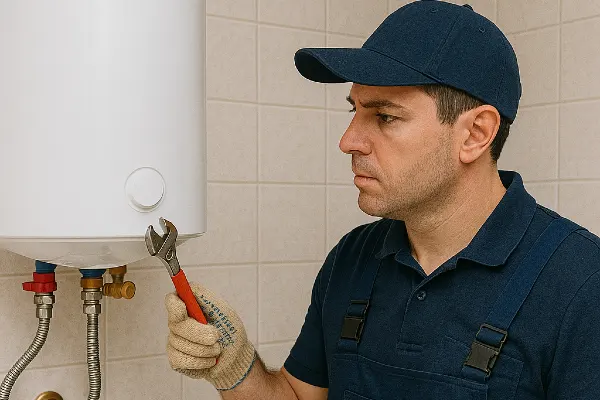
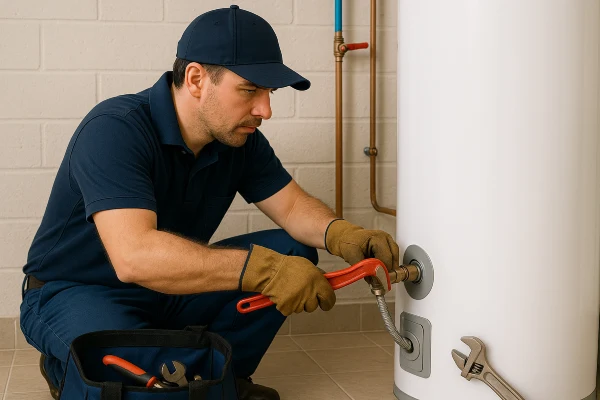
The installation path depends on where the main water line enters, whether a drain and electrical outlet are nearby, and how much room exists for a resin tank and brine tank. A garage installation with exposed copper pipe is usually more direct than a tight utility closet with drywall access. Existing shutoff valves, pressure regulators, and water filtration equipment also determine where the bypass valve can be placed. Learn more about our expert Sump Pump Repair services.
Previous attempts to solve hard water matter too. A cartridge filter may be catching sediment but cannot remove dissolved calcium, while a worn softener may have a clogged injector, exhausted resin, or leaking control head. During inspection, a plumber may find corroded fittings or inadequate drain routing that must be addressed first. Work such as sump pump repair is separate, but nearby drainage issues can affect where discharge lines are safely routed.
Cost moves with the softener capacity, the number of bathrooms, household water use, and the hardness level measured in grains per gallon. A compact single-tank unit for a smaller household generally uses fewer materials than a larger metered system serving several bathrooms. Difficult access, new copper or PEX piping, a drain connection, and an electrical receptacle can add meaningful labor beyond the equipment itself. Learn more about our expert Sewer Camera Inspection services.
Expect the equipment portion to vary by several times from a basic softener to a higher-capacity system with a metered control valve, sediment prefilter, or upgraded resin. A written estimate should separate the softener, bypass valve, tanks, fittings, drain tubing, electrical work, labor, permit-related requirements, and any repairs discovered after pipe access begins. sewer camera inspection may be recommended only if a drain route raises concerns, and should be listed separately.
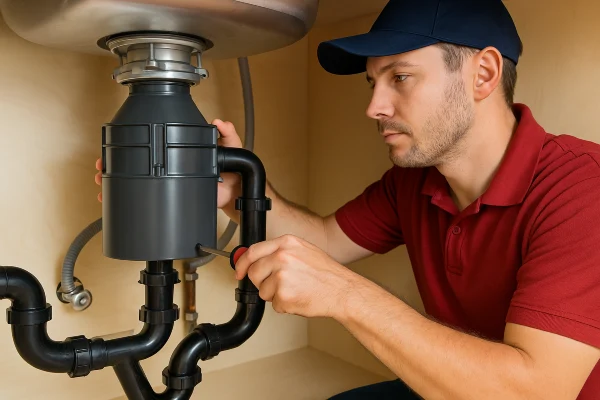
A straightforward Water Softener Installation commonly takes about half a day to a full day, with the water shut off only during pipe cutting, valve installation, and pressure testing. You may hear a tubing cutter, drill, and brief water movement as the plumber flushes the new line. The resin tank is positioned, the brine tank is connected, and the bypass valve allows water service to be restored before final programming.
Installations can extend into a second day when a drain line must be added, an old unit needs removal, or hidden corrosion appears after a wall or cabinet panel is opened. Periods that seem quiet are often used for leak checks, regeneration-cycle setup, salt filling, and flushing carbon fines or installation debris from the plumbing. Those steps matter because trapped air or loose fittings can cause sputtering faucets, leaks, or incorrect regeneration.
THE GEORGETOWN PLUMBER
140 Market St, Georgetown, TX 78626
(512) 889-3545
Hours of Operation
Open 24 Hours