SUMP PUMP REPAIR
Georgetown, TX
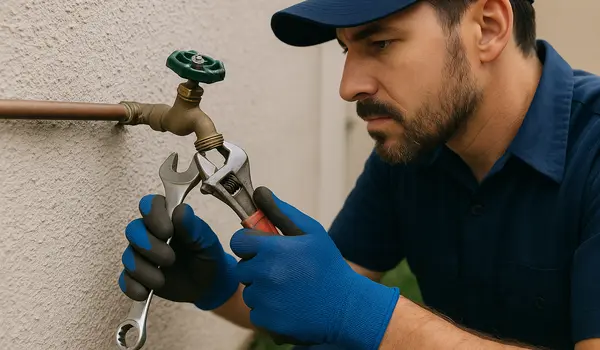
Many homeowners reasonably assume sump pump repair can wait until the pit fills or the basement floods. The Georgetown Plumber often finds the earlier warning is a pump that runs without lowering the water, a stuck float switch, or a blocked discharge pipe. Waiting can turn a worn check valve or failed battery backup into wet drywall, damaged flooring, and mold cleanup after one heavy Georgetown rain. Learn more about our The Georgetown Plumber in Georgetown.
A sump pump is not the cause of every plumbing symptom, but it should not be ignored alongside them. Low pressure, discoloured water, slow drains, running toilets, damp patches, banging pipes, or no hot water usually point to separate supply, drain, or water-heater issues. The useful truth is that each symptom needs the right diagnosis: the pump, pit, float, discharge line, and electrical connection must be tested rather than guessed at.
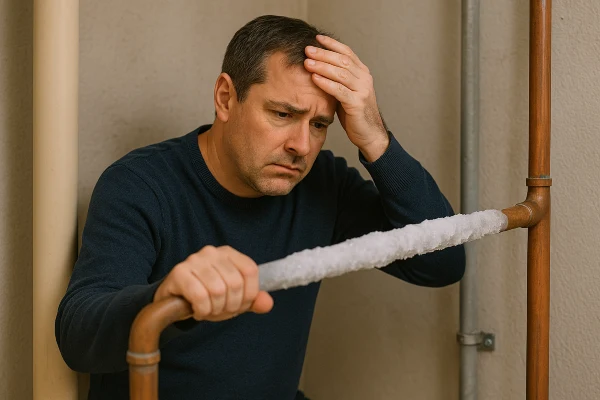

Before hiring a Georgetown, TX contractor, ask what will be tested beyond the motor. A useful inspection checks the basin, float, check valve, discharge pipe, power outlet, and backup system, then explains which part is failing and why. Ask whether the technician will run water into the pit and confirm that it leaves the property properly. If nearby drains are slow, ask whether a Sewer Camera Inspection is appropriate before assuming the sump pump is the only issue.
A written estimate should identify the proposed repair, replacement parts, labor scope, disposal of an old pump if needed, and any work on the discharge line or electrical connection. It should also distinguish an immediate repair from optional improvements, such as a battery backup or alarm. Before work starts, a good contractor explains how access to the pit will be handled, what testing will follow, and what conditions could change the scope.
Gather the details that help pinpoint an intermittent problem: note the date of the last heavy rain, how often the pump runs, whether you hear humming or banging, and whether water remains in the pit. Take photos of damp patches, the discharge outlet, and any standing water near the foundation. If you have receipts for the pump, battery, or prior plumbing work, keep them nearby; the model number and installation date can guide parts decisions. Learn more about our Round Rock TX location.
Clear a path to the sump basin, electrical panel, and exterior discharge point, moving stored boxes, rugs, and furniture at least a few feet away where possible. Arrange access for a garage, crawlspace, or locked gate, especially if a discharge line runs outside. Do not reach into the pit, unplug the pump repeatedly, pour drain cleaner into it, or cover the basin with plastic. Those actions can obscure the fault and create a shock hazard, including at homes near Round Rock TX.
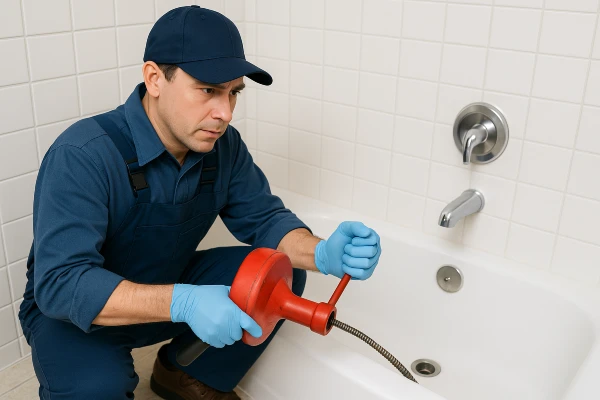
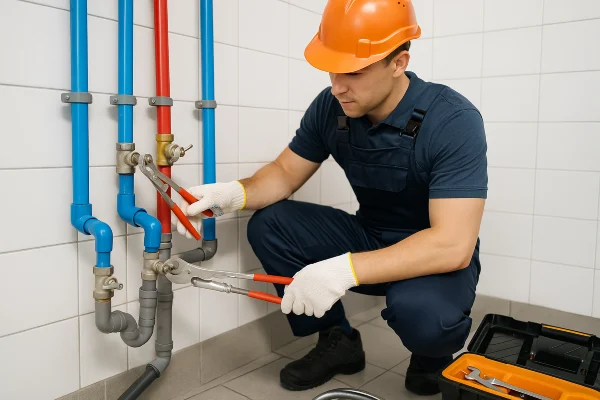
After sump pump repair, the pump should activate as water reaches the float level, discharge water through the outlet, and shut off without constant cycling. A brief test may leave some water in the basin; that is normal because the pump does not empty every last inch. Over the next few storms, check that the discharge area is not pooling against the foundation and that the check valve is not making unusually loud banging sounds.
Get back in touch if the pump runs continuously, stays silent while the pit rises, trips a breaker, or leaves new damp patches near walls or flooring. Low pressure, discoloured water, slow drains, running toilets, and no hot water are not expected results of sump pump work and deserve separate attention. Routine care includes testing the float every few months, clearing debris from the basin, checking the outlet before storm season, and replacing a backup battery as its condition declines.
THE GEORGETOWN PLUMBER
140 Market St, Georgetown, TX 78626
(512) 889-3545
Hours of Operation
Open 24 Hours