SEWER LINE REPAIR
Georgetown, TX
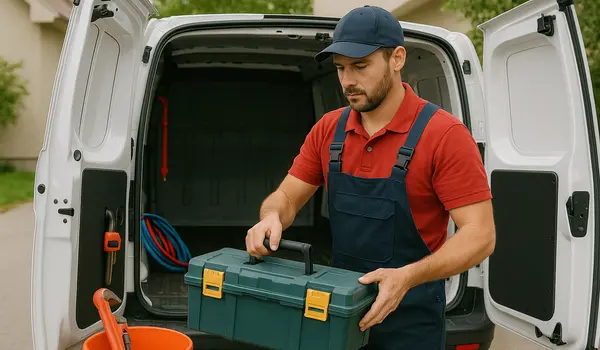
Waiting on a sewer-line issue can turn one slow drain into a backup at a floor drain or toilet. The Georgetown Plumber can help sort urgency from inconvenience: a single sluggish sink that clears and has no odor may be scheduled, while several slow drains, a damp patch over the line, or wastewater near a cleanout should not wait. Continued use can force sewage through the lowest fixture and make camera access or a smaller repair less viable. Learn more about our The Georgetown Plumber in Georgetown, TX.
Some symptoms are not sewer failures. Low pressure, discoloured water, banging pipes, or no hot water usually point to a supply line, pressure regulator, or water-heater component rather than a buried drain. A running toilet can add water to the system but does not by itself prove a broken sewer. Still, note which fixtures drain slowly and whether gurgling occurs; that pattern helps separate a local trap clog from a main-line restriction.
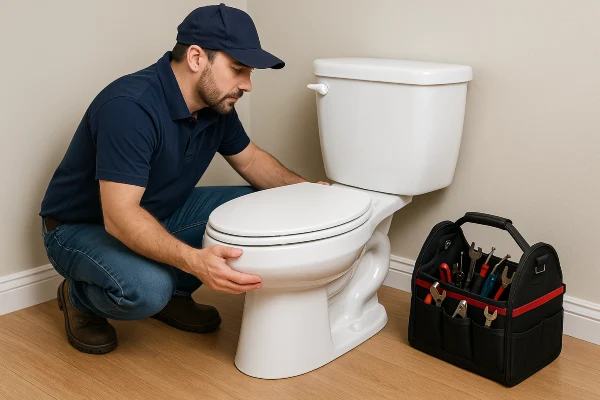
Before the visit, write down which toilet, tub, shower, or floor drain is slow; when it started; and whether rain, laundry, or flushing worsens it. Take photos of any damp patch, standing water, or cleanout cap, and keep a short timeline of backups. Locate the exterior cleanout if you can, move vehicles away from it, and mention any recent water softener installation or landscaping near the sewer route.
Clear a 3- to 4-foot path to bathrooms, the cleanout, and the electrical panel, and secure pets before the appointment. Have any prior camera report, drain map, or remodel paperwork ready; it can show where a branch line runs beneath a slab. Do not pour chemical drain opener into fixtures, keep running loads of laundry, or force a rented snake through a blocked line. Those products and cables can damage traps or complicate camera inspection.
After the repair, drains should empty evenly without toilet bubbling or a sewer odor, and the cleanout should remain dry. For the first 24 to 48 hours, brief noise from water moving through a newly cleared line can be normal, especially after a hydro jetting visit. Keep an eye on the repaired area and any excavated soil; a little settling is expected, but fresh damp patches or a returning slow drain are not. Mention sump pump repair needs separately if groundwater is involved.
Get back in touch if several fixtures slow again, a toilet keeps running after its flapper is adjusted, or wastewater appears at a floor drain. Discoloured water, low pressure, banging pipes, and no hot water are usually separate supply or heater concerns, but they still deserve attention rather than assumptions. Routine care means using sink strainers, keeping grease and wipes out of the drain, and scheduling an evaluation if roots, recurring scale, or heavy paper use has caused repeated main-line clogs.
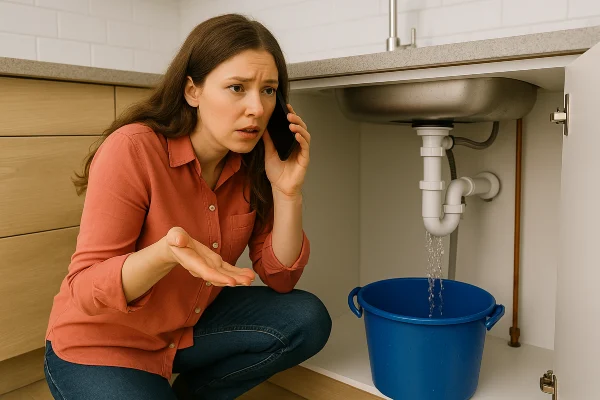
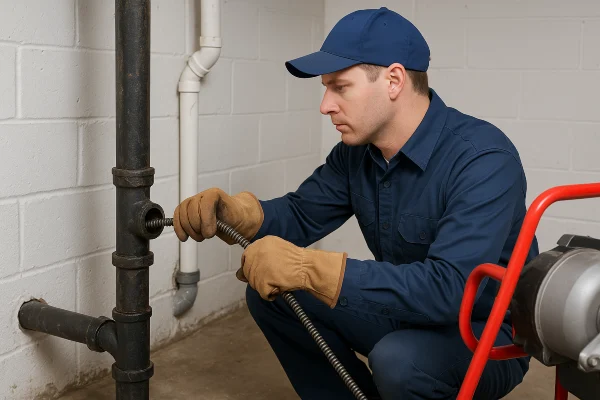
The visit starts with a discussion of the affected fixtures and a look at the cleanout, traps, toilet base, and visible branch lines. The plumber may isolate the water supply with shut-offs before removing or re-seating a toilet or other fixture, so water cannot spill while access is opened. A camera inspection through the cleanout shows whether roots, grease, offset pipe, or a collapsed section is blocking flow. This avoids guessing at a clog hidden beneath a slab or yard.
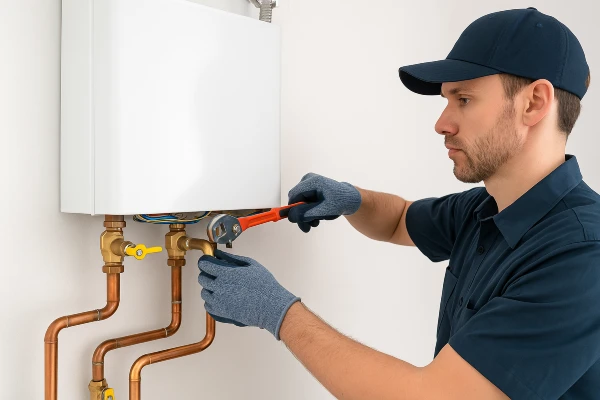
After locating the fault, the line may be cleared with hydro jetting, then repaired or replaced at the damaged section before the camera confirms an open path. If inspection also finds a leaking supply line, faulty valve, or loose shut-off, repairs can involve soldering copper and pressure testing the water side. Tanks, anode rods, thermostats, and pressure regulators are checked only when symptoms point there; they control hot water or pressure, not sewage. Fixtures are re-seated, traps tested, and the work area cleaned before use resumes.
THE GEORGETOWN PLUMBER
140 Market St, Georgetown, TX 78626
(512) 889-3545
Hours of Operation
Open 24 Hours