THE GEORGETOWN PLUMBER
Hutto, TX
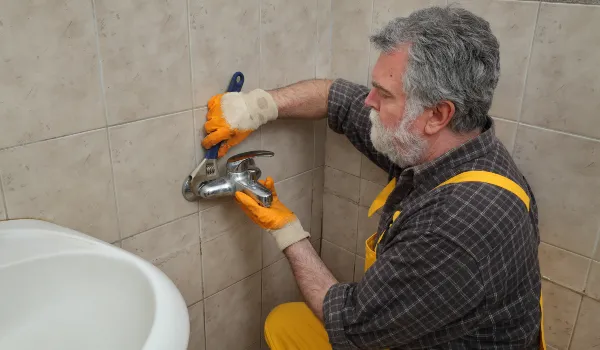
The Georgetown Plumber understands the specific challenges faced by homeowners in Hutto, TX. With a range of construction styles and an eclectic mix of both newer and older homes, plumbing issues here are diverse yet quite common. Whether you're dealing with aging pipes in a quaint historical home or modern plumbing problems in newer developments, our deep understanding ensures tailored solutions that meet the specific needs of local residents. Learn more about our The Georgetown Plumber in Georgetown, TX.
Hutto, nestled in Williamson County just northeast of Austin, has seen rapid growth over recent years. Connected to major hubs by U.S. Route 79 and close neighbors like Round Rock, this expansion has caused a blend of housing stock that requires different plumbing considerations. As new families and businesses arrive, Hutto's charming brick homes and developing neighborhoods present unique plumbing opportunities and challenges.
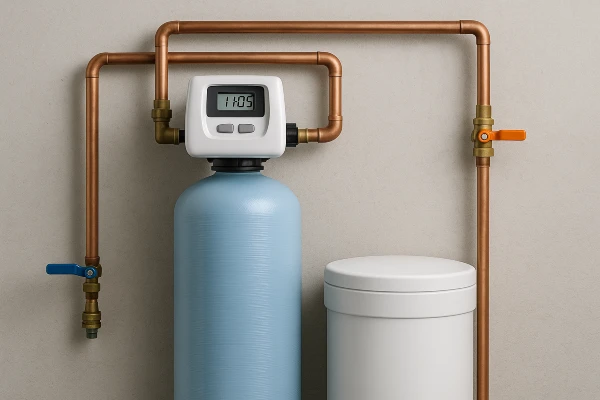
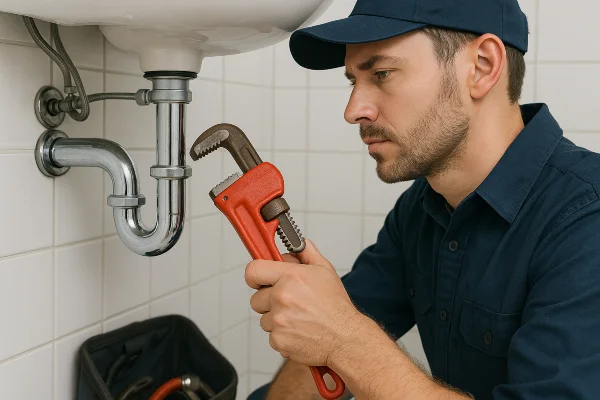
Many homes in Hutto reflect architectural movements akin to those found in Leander TX, ranging from vintage cottages to expansive ranch-style houses. These structures often come with their unique sets of plumbing headaches. For instance, older homes might feature galvanized steel pipes prone to corrosion and low water pressure issues, while more modern residences might face troubles with PVC piping common in suburban expansions.
The diverse age and style of homes in this area mean that no two properties have the same plumbing blueprint. As part of the wider Austin area boom, Hutto's character-rich residences frequently encounter seasonal pipe shifts due to Central Texas's clay-heavy soil—a dilemma best managed by plumbers who know how these materials behave under local conditions.
When you're facing a plumbing issue here in Hutto or nearby Cedar Park TX, the first step is always a thorough consultation. We evaluate everything from your home's foundation type to local weather conditions that might affect exterior drainage systems. The initial inspection helps us scope out problems efficiently and plan our work before any tools come out.
A typical first visit involves checking for issues specific to the area's climate and housing types—anything from rain-induced basement flooding to tree-root intrusion into sewer lines. Despite its proximity to bustling city centers like Austin, Hutto maintains its small-town charm with large plots and mature trees that make landscaping both beautiful and problematic for underground pipes.
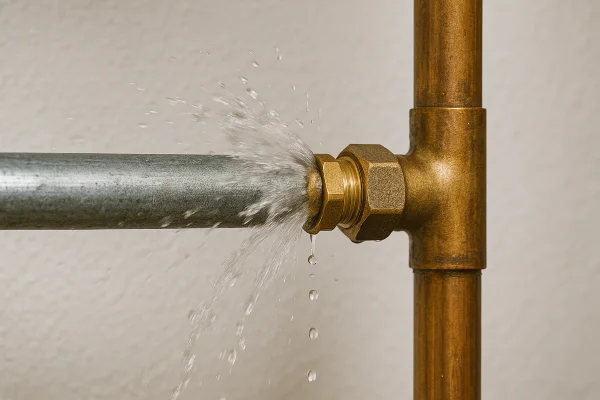
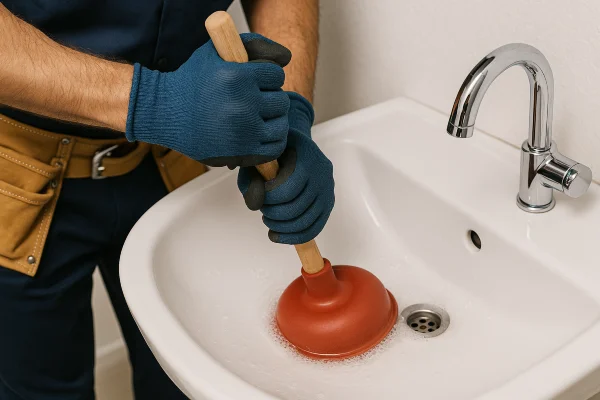
In Hutto, two recurring jobs dominate our service calls: pipe leak repairs due to shifting soil conditions and water heater maintenance caused by fluctuating mineral content in local water supplies. Both issues link back to the town's distinctive combination of old-world charm mixed with rapid modernization efforts.
When you call us for service, expect an arrival window that suits both routine checks (typically within one or two days) and urgent matters (often same-day). Most repairs can be completed in a single visit; however, recurring annoyances like slow-draining sinks often need careful diagnosis due to mineral build-up—a problem we resolve using hydro jetting techniques specifically adapted for this area's clay-heavy soil.
Our team covers every part of Hutto with precision—whether it's the tranquil neighborhoods near Brushy Creek or bustling areas around Jonah—and extends expert services to nearby communities within about a 20-mile radius. Our familiarity with local roads ensures timely arrivals no matter where you are.
Hutto’s distinctive ZIP code areas such as 78634 are well within our reach, as are significant landmarks like Fritz Park or key transit routes like FM 685 that slice through the heart of town. We also service surrounding locales such as Taylor and bring the same level of dedication when addressing plumbing needs across this vibrant region.
In older Hutto homes, we commonly look for aging galvanized supply pipes, corroded shutoff valves, worn water heaters, and drain lines with scale buildup or root intrusion. Some properties may also have older cast-iron or clay sewer sections that crack, sag, or develop separated joints. Central Texas hard water can accelerate mineral accumulation in fixtures and water heaters, while shifting soil can stress underground piping. We diagnose the source with pressure checks, camera inspection, and targeted testing before recommending repairs.
Most recently built homes are more likely to have PEX water lines than copper, although some homes use a combination of both materials. PEX is flexible, corrosion-resistant, and commonly routed through attics, walls, or structured plumbing manifolds. We recommend checking for properly supported lines, secure fittings, accessible main shutoff valves, and no signs of leaking around water heaters or manifolds. Also look for discolored drywall, recurring drops in pressure, or unusually high water bills, which can indicate a concealed leak.
Before closing, we recommend inspecting the water supply piping, main sewer line, water heater, shutoff valves, hose bibs, toilets, drains, and visible connections under sinks. A sewer camera inspection is especially valuable because it can reveal cracks, root intrusion, offsets, bellies, and buildup that a standard home inspection may not identify. We also check water pressure and drainage performance, look for corrosion or past leak damage, and identify older pipe materials that may need repair or replacement soon.
Start by checking whether the issue affects one fixture or the entire home. For low pressure, remove and clean faucet aerators and showerheads, verify that fixture shutoff valves are fully open, and check for a partially closed main valve. For slow drains, avoid chemical cleaners and note whether multiple fixtures drain slowly, which can point to a main-line issue. In newer homes, we also inspect for construction debris, improperly installed drain piping, pressure-regulator problems, and hidden leaks.