SLAB LEAK REPAIR
Georgetown, TX
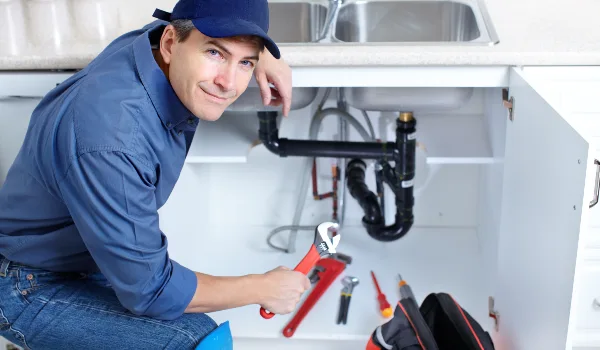
A slab leak puts you in front of a practical decision: open the concrete to repair the damaged pipe, reroute the affected supply line, or, in limited cases, use an internal repair method. The Georgetown Plumber can help identify which option fits the leak’s location and condition. Direct access may mean dust, flooring removal, and several days of disruption, but it reaches the failed section beneath the slab. Rerouting avoids cutting concrete but changes the path of the water line. You can also see everything we do.
The important difference is not simply how the leak is stopped, but what happens to the rest of the plumbing afterward. A single pinhole in a copper supply line may be isolated and repaired, while repeated leaks can suggest aging pipe or pressure problems near a pressure regulator. Access through a closet, garage, or tiled bathroom affects restoration work. Before deciding, ask where the shut-offs are, how much pipe is affected, and whether the water loss has damaged flooring or framing.


After a slab leak repair, the water meter should stop moving while fixtures are off, and damp patches should begin drying rather than spreading. Some temporary discoloration can appear after pipes are isolated and restored, especially if mineral sediment was disturbed inside older lines. Run cold water at sinks for a few minutes if it looks cloudy. A brief change in pressure can be normal, but persistent low pressure at several fixtures deserves a call. Learn more about our expert Toilet Installation services.
Keep an eye on the repaired area for the next one to two weeks. New moisture, banging pipes, warm flooring, or a running toilet can add water use that makes a successful repair harder to evaluate. Toilet Installation may also require a fixture to be re-seated with a new seal if flooring was removed nearby. Routine attention includes checking visible shut-offs, listening for refill sounds at toilets, and addressing slow drains before standing water reaches traps or concealed connections.
The visit typically starts with locating the water loss and isolating the supply at the main shut-off or nearby valves. Technicians compare pressure readings, inspect accessible supply lines, and look for moisture around walls, flooring, and cleanouts. If drainage symptoms are part of the problem, camera inspection may be used to view the pipe interior; Sewer Line Repair addresses drain piping rather than a pressurized slab water line. The findings help separate a leak from a drain backup, fixture issue, or failing pressure regulator.
Once the repair path is agreed on, the affected line is drained and the damaged section is exposed or bypassed. Copper connections may be cut and soldered, while newer piping can require different fittings and valves. Hydro jetting may be used only where a blocked drain line is involved, not as a cure for a pressurized supply leak. Fixtures moved for access are re-seated, then the system is pressure tested before water is restored and the work area is prepared for patching.

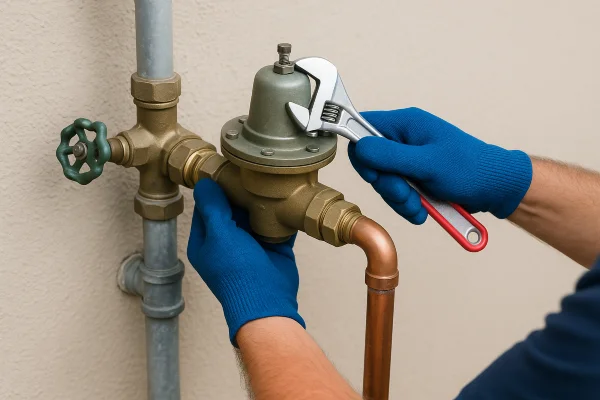
Two homes with the same wet spot can require very different work. A leak beneath carpet in a hallway may be reached with limited concrete removal, while a leak beneath a shower pan, kitchen cabinets, or engineered flooring can make rerouting less disruptive. Existing pipe material matters too: older copper supply lines with several prior pinhole repairs may point toward a longer replacement path, while a single damaged fitting may need only a localized repair.
Timescale changes with access, drying, and what appears after the line is opened. Locating and stopping a straightforward leak can take part of a day, but concrete cutting, pipe repairs, pressure testing, and drying wet materials may extend the process over several days. Previous patchwork, inaccessible shut-offs, corroded valves, or an undersized pressure regulator can add steps because each issue affects how safely the repaired line can be returned to normal water pressure.
THE GEORGETOWN PLUMBER
140 Market St, Georgetown, TX 78626
(512) 889-3545
Hours of Operation
Open 24 Hours